 NEW JOURNEY
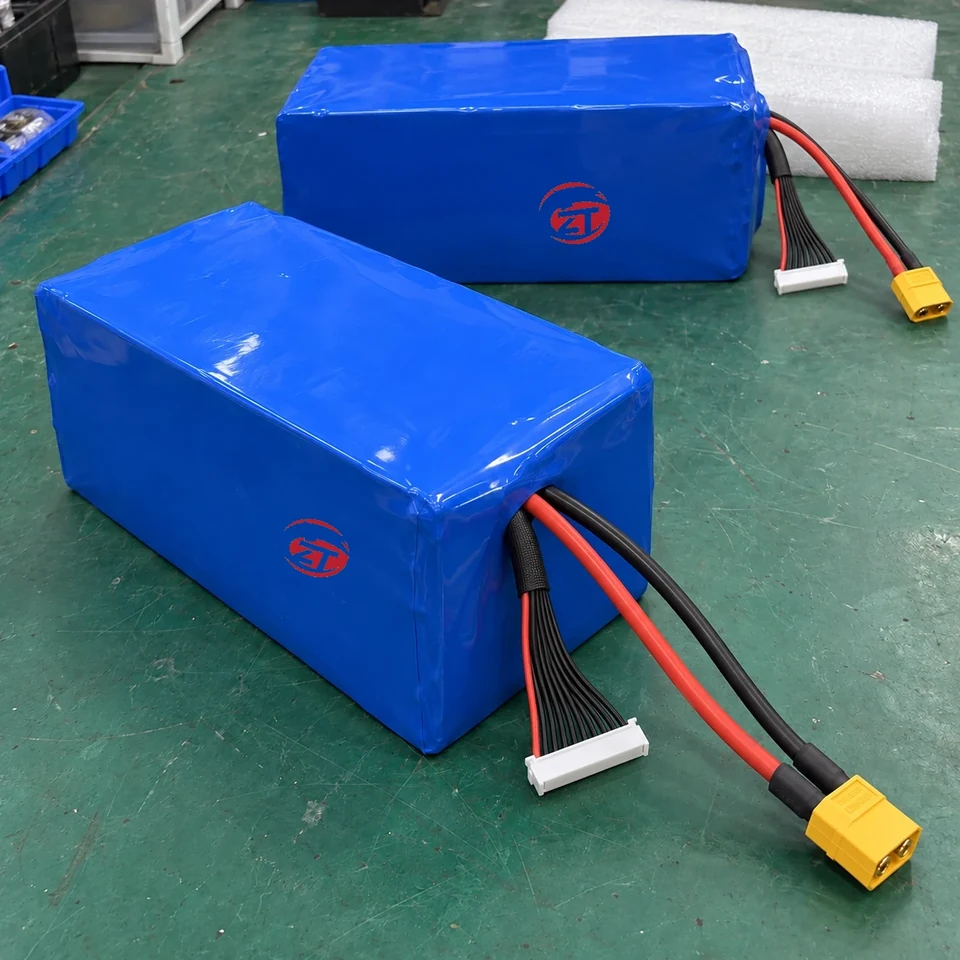
Start with the equipment you need to power
A custom battery enquiry is most useful when it describes the equipment, not just a capacity. Explain what the battery powers, how the equipment draws current and where the assembly will be installed. An existing drawing or battery sample reference can give the discussion a concrete starting point.
New Journey’s product scope includes UAV packs, motive power batteries, embedded equipment packs and individual cells. The company brings selection, configuration discussions, sample coordination and order follow-up into one project conversation. Configuration and supply requirements are agreed with manufacturing partners; a catalogue listing is not a promise that every proposed combination can be supplied.
Choose the appropriate starting point
| Your project | Where to begin | Main information to bring |
|---|---|---|
| Aircraft battery integration | UAV and Drone Batteries | Voltage range, load, battery-bay drawing and installed mass limit |
| Mobility or automated equipment | Motive Power Batteries | Drive-system requirements, charging arrangement and installation details |
| Portable instruments or electronic equipment | Embedded Battery Packs | Enclosure dimensions, protection requirements, wiring and connector details |
| Your own pack development | Battery Cells | Cell requirements, assembly design and the scope of work your team will perform |
For a UAV brief, the 12S 16000mAh 25C UAV Battery shows how a finished pack specification records electrical limits, dimensions, mass and connections together. For a different application, the 7.4V 5000mAh Embedded Equipment Battery Pack lists configuration and connector options. Use an applicable model as a reference and identify the changes you require; do not treat models from different families as direct replacements.
What to include in your enquiry
| Brief item | Details that make the discussion actionable |
|---|---|
| Application and load | Equipment function, continuous current and any peak requirement with its duration |
| Voltage architecture | Nominal voltage, accepted voltage range and series count where fixed |
| Capacity | Required charge capacity or energy requirement, with the basis for the requirement |
| Mechanical fit | Drawing with dimensions, mounting method, clearance, lead exit and maximum mass |
| Connections | Power and balance connectors, mating parts, polarity, cable requirements and pinout |
| Communication | Required protocol and interface specification, if communication is part of the project |
| Protection | Required functions and where they are implemented in the battery or host equipment |
| Charging | Charger information, charging current, balance method and operating procedure |
| Environment | Operating and storage conditions that the configuration must address |
| Documents and quantity | Required tests or certification scope, destination, sample quantity and order quantity |
Communication, protection and testing requests are requirements to assess, not standard features implied for every battery. Identify which points are fixed and which can change. If you have an existing battery, include its label, dimensional drawing and interface details without assuming that appearance proves electrical equivalence.
Send your application brief with the available information. Unresolved items can be raised as questions during the configuration discussion.
A clear path from enquiry to supply
Your requirements
Share the application, load and fit. State the limits the configuration must meet and identify any reference product, drawing or sample. For aircraft projects, the UAV pack selection checklist provides a focused starting point.
Defined configuration
Discuss the model, interfaces and quotation around the same configuration. Resolve voltage, dimensions, wiring and charging questions before treating the proposal as agreed. Ask which documentation applies to that model and revision; a report for a different assembly does not settle your requirement.
Sample review
Agree the checks your team will perform on the sample, including physical fit, interface compatibility and behaviour under the intended operating conditions. Record required changes so the sample discussion and order description refer to the same configuration. Sample review is a project step, not a claim that an untested assembly is approved for your equipment.
Order & support
Confirm the order details, agreed configuration and follow-up requirements. Keep model and revision references attached to the relevant documents. This is the same four-step workflow presented by New Journey: requirements, configuration, sample review, then order and support. The project process page explains the company’s approach.
Decide how much integration you need
Some teams need cells for an assembly they will design and qualify. Others need a finished pack with defined leads, housing or wrapping and a clear installation interface. Make that scope explicit before discussing a specification. The cells and finished packs guide helps distinguish the two purchasing routes.
Bring the next decision into focus
You do not need to select every component before contacting New Journey. You do need to distinguish the equipment’s fixed limits from open design choices. Discuss your custom OEM battery project with the application, drawing or sample reference, target quantity and the questions you need resolved.
