 NEW JOURNEY
What the S designation means
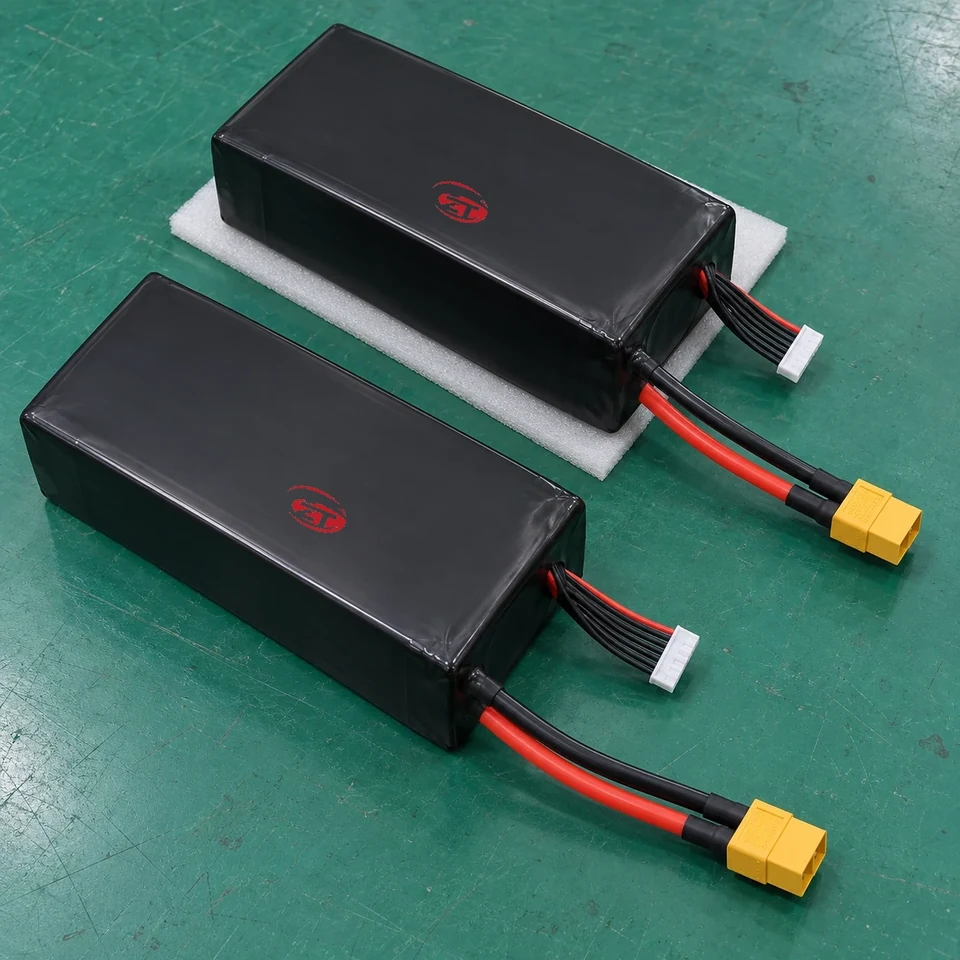
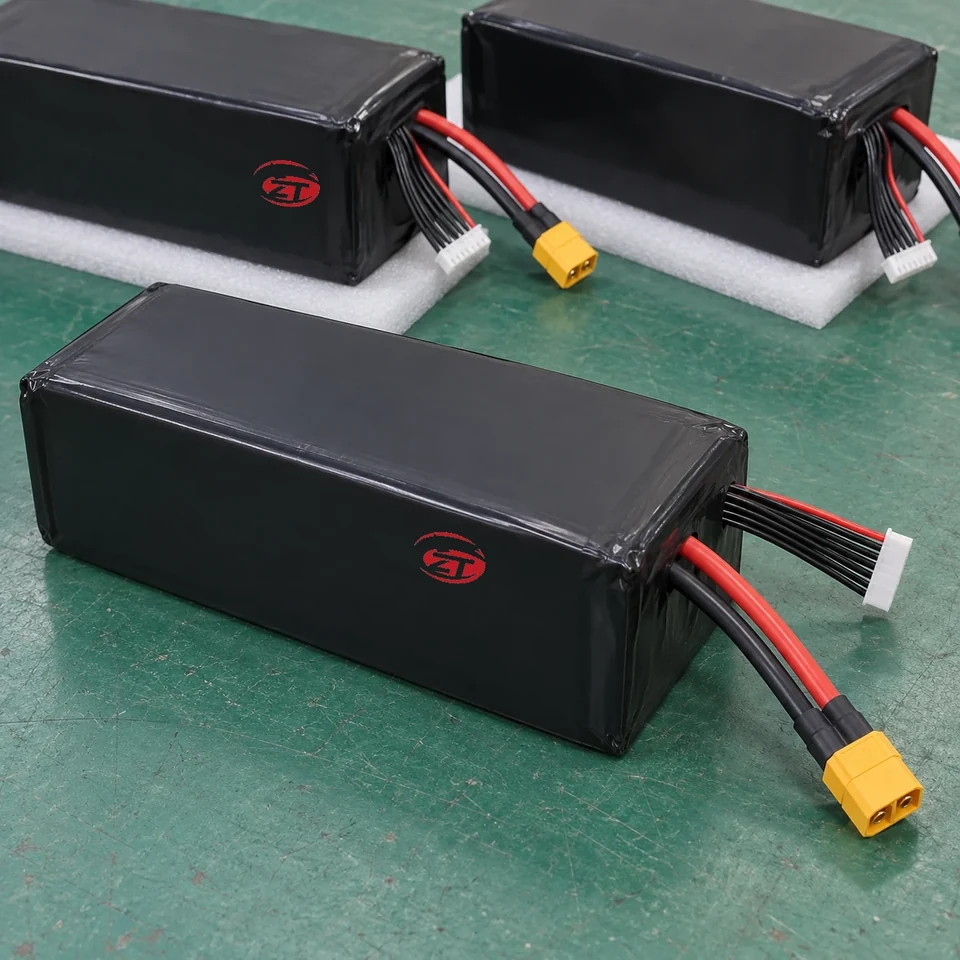
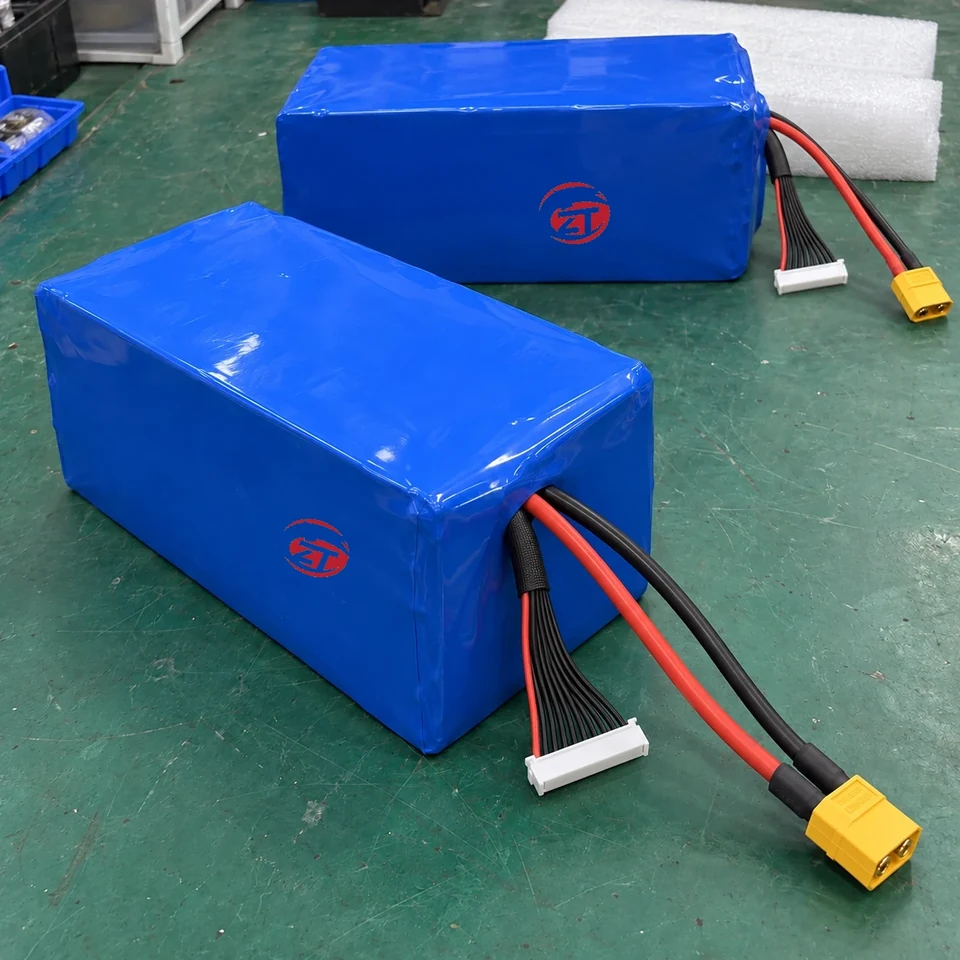
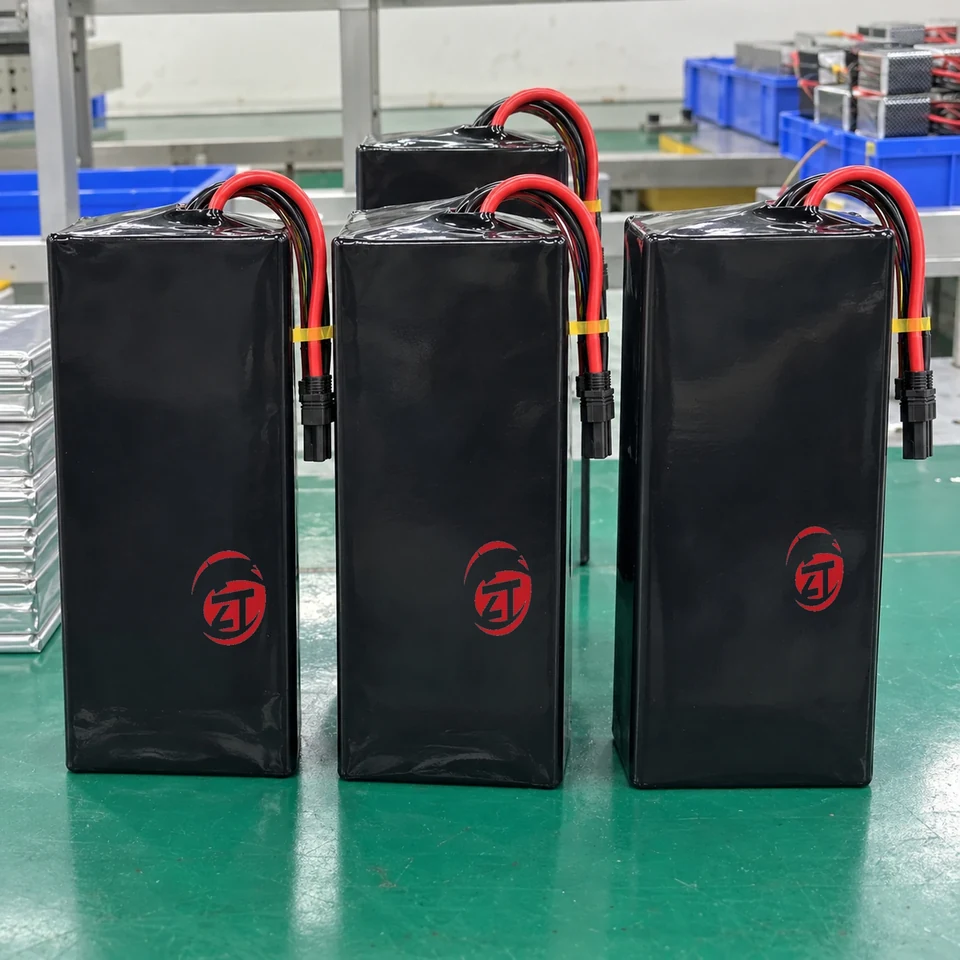
The S number identifies how many cell groups are connected in series. A pack’s nominal voltage follows the cell voltage and series arrangement, while its actual voltage changes through charging and discharge. The S designation therefore helps identify the electrical architecture, but it is not a complete charging instruction.
Choose that architecture around the equipment’s permitted voltage range. Check the electronic speed controllers, motors, battery-powered accessories and the flight-controller power input or regulator arrangement. The battery-side voltage must be compatible with the complete system, not just one component. Include the charger and balance connection in this decision.
Increasing capacity does not correct a voltage mismatch. Likewise, switching from one S count to another is not a drop-in upgrade. Use the aircraft and component documentation to establish the accepted range before shortlisting a battery.
Published examples, not interchangeable options
The following nominal voltages are copied from the corresponding New Journey model specifications. The selection context is the electrical system that must accept that model; it is not a claim that a particular S count fits every aircraft in an application class.
| Series example and model | Nominal voltage | Published charge ceiling | Selection context |
|---|---|---|---|
| 6S 12000mAh 25C UAV Battery | 22.2V | 25.2V | A system specified for this 6S model’s complete voltage range |
| 8S 12000mAh 25C UAV Battery | 29.6V | 33.6V | An 8S installation with compatible propulsion and charging equipment |
| 12S 16000mAh 25C UAV Battery | 44.4V | 50.4V | A 12S architecture with the required battery-bay and interface provisions |
| 14S 105Ah Semi-Solid UAV Battery | 51.8V | Request the value for the agreed configuration | A 14S system whose electrical and mechanical limits accept this model |
The 14S product page calls for a matched charging profile and configuration-specific confirmation rather than publishing a numeric charge ceiling. Do not fill that gap using the ceiling from another product. Its semi-solid designation also does not guarantee longer flight time; suitability still depends on the model specification and the aircraft.
These figures are not instructions to charge or discharge a battery to a value inferred from its title. Read the full specification, including the normal charge ceiling, discharge endpoint and any conditions attached to the limits.
The same S count still needs a model check
Cell selection can change the charging limits even when the series count is unchanged. As a concrete example, the 8S 40000mAh Solid-State UAV Battery lists a 34.0V charge cut-off, while the 8S 12000mAh model above lists a 33.6V normal charge ceiling. Do not apply one model’s charging setting to the other.
This difference does not establish a performance advantage for solid-state technology. The technology name itself does not guarantee longer flight time. It demonstrates why the charger must be matched to the selected model and its documented limits.
If you already know your equipment’s accepted range, send the voltage and charger details to New Journey with the model you are considering.
Check more than voltage before installation
Once the series count is fixed, compare continuous current, short-duration load conditions, available installation space and total installed mass. Check the mating connector, polarity and balance interface. A connection that appears mechanically similar is not proof of a correct electrical match.
Provide the charger model or output specification and explain the planned charging arrangement. Ask for the charge current, voltage ceiling and balance connection appropriate to the exact battery configuration. For a custom assembly, record these alongside the agreed model or drawing revision.
Use How to Select a UAV Battery Pack for the rest of the installation checklist. The UAV battery range and multirotor category provide product entry points after the electrical requirements have been established.
Your next step
Write down the aircraft’s permitted series count and voltage window, the charger information and the unresolved interface questions. Then choose a model for a specification review rather than choosing an S count by capacity alone. If the required configuration is not yet defined, read Custom OEM battery packs and submit the equipment requirements.